-
유리 가 강철 탱크 에 녹여 (596)
-
스테인레스강 탱크 (434)
-
퓨젼은 에폭시 탱크를 계약했습니다 (592)
-
진료 철강 탱크 (321)
-
알루미늄 돔 지붕 (1336)
-
폐수 저장 탱크 (232)
-
용접된 철강 탱크 (457)
-
압력 용기 (295)
-
무산소 다이제스터 (202)
-
산업적 저수 탱크 (349)
-
유리로 덮인 강철 탱크 (180)
-
볼트로 체결된 강제 탱크 (389)
-
슬러지 저장 탱크 (115)
-
바이오가스 저장 탱크 (173)
-
용매 저장 탱크 (133)
-
농업용 물 저장 탱크 (179)
-
화재 물 탱크 (166)
-
곡물 저장실 (146)
-
바이오 가스 프로젝트 (424)
-
폐수 처리 프로젝트 (1068)
-
이중막 지붕 (223)

|
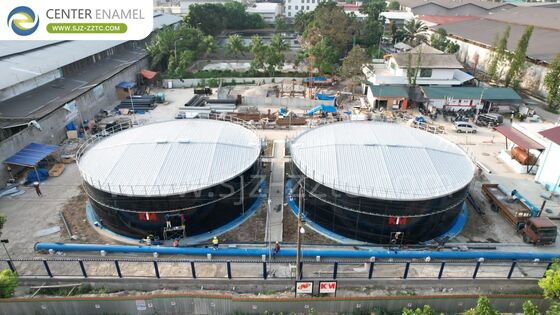
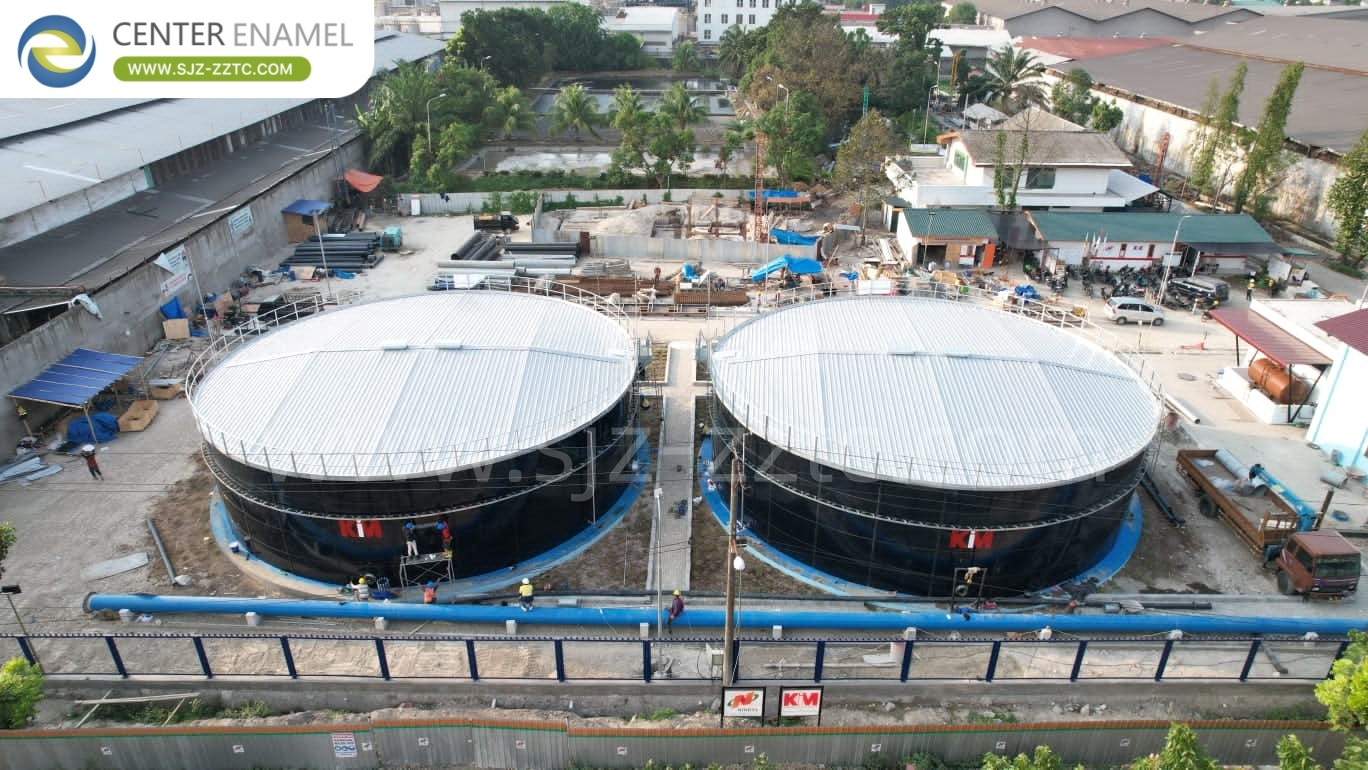
인도네시아의 지속 가능한 양계장 폐수 관리 및 바이오가스 솔루션
| 원래 장소: | 중국 |
| 브랜드 이름: | CEC TANKS |
| 인증: | ISO 9001:2008, AWWA D103 , OSHA , BSCI |
| 모델 번호: | 여 |
| 최소 주문 수량: | 1세트 |
| 가격: | $5000~$20000 one set |
| 포장 세부 사항: | 각 두 개의 강판 사이에 PE 폴리폼; 나무 팔레트와 나무 |
| 배달 시간: | 보증금 수령 후 10-30일 |
| 지불 조건: | 신용장, 티/티 |
| 공급 능력: | 달 당 60 세트 |
|
상세 정보 |
|||
| 원래 장소 | 중국 | 브랜드 이름 | CEC TANKS |
|---|---|---|---|
| 인증 | ISO 9001:2008, AWWA D103 , OSHA , BSCI | 모델 번호 | 여 |
| 탱크 본체 색상: | 진한 녹색 / 사용자 정의 가능 | 부식 무결성: | 훌륭한 |
| 강판 두께: | 3mm ~ 12mm, 탱크 구조에 따라 다름 | 내화학성: | 훌륭한 |
| 패널의 크기: | 2.4M * 1.2M | 청소가 용이함: | 매끄러움, 광택, 불활성, 접착 방지 |
| 강조하다: | 지속 가능한 양계장 폐수 관리,양계장을 위한 바이오가스 솔루션,인도네시아 폐수 처리 프로젝트 |
||
제품 설명
인도네시아의 지속가능한 가축 농장 폐수 관리 및 바이오 가스 솔루션
인도네시아 전역의 조류 재배는 상당한 양의 유기 폐수를 발생시켜 환경 오염을 방지하고 규제 기준을 준수하기 위해 정교한 관리가 필요합니다.고강도 농수류를 재생 에너지로 변환하는 것은 지역 생산자들에게 수익성 있는 경제적, 생태적 기회입니다.센터 에나멜은 최고 수준의 격리 탱크와 종합적인 엔지니어링, 조달 및 건설 (EPC) 서비스를 결합하여 최첨단 기술 솔루션을 제공합니다.이 기사 는 발전 된 무항성 소화 시스템 이 인도네시아 전역 에서 지속가능 한 농업 운영 을 지원 하는 동시에 가축 폐기물 을 효과적으로 처리 할 수 있는 방법 을 살펴본다.
조류 농장 폐수 특성 및 인도네시아의 처리 문제
인도네시아의 축산업은 복잡한 폐수 흐름을 발생시킵니다.이 하수물은 매우 높은 생화학적 산소 수요 (BOD) 를 나타냅니다., 화학 산소 수요 (COD) 및 서스펜션 고체, 심각한 생물학적 처리 문제를 야기합니다. 지역 물체에 직접 배출하면 심각한 유트로피케이션, 산소 고갈,그리고 주변 지역사회에 부정적인 영향을 미치는 유해한 냄새 배출따라서 유기 오염물질의 안정화와 지역 물 생태계의 보호를 위해 강력한 사전 처리 및 무산기 소화 시스템을 구현하는 것이 필수적입니다.
생체 변환 기계: 가금류 농장 폐수 가 생체 가스로 변환 되는 방법
가금류의 폐수를 귀중한 친환경 에너지로 생체 변환하는 것은 전문적인 미생물 그룹에 의해 주도되는 정교한 무산기 소화 경로를 포함합니다.제어된 열 조건에서 작동하는 내부 공기 밀폐 바이오 반응기, 아에로브 박테리아는 복잡한 유기 물질을 연속적인 생화학적 단계를 통해 대사합니다. 수분 분해 및 산성 박테리아는 먼저 복잡한 분자를 휘발성 지방산으로 분해합니다.그 후 메탄성 아케아에 의해 메탄과 이산화탄소로 변환됩니다.이 생화학적 변환은 병원균을 무력화하고 냄새를 최소화하며 열 또는 전기 생산에 준비된 고 순수 바이오 가스를 캡처합니다.
바이오가스 프로젝트에 대한 센터 에나멜의 전문 설계 및 엔지니어링 솔루션
인도네시아의 바이오가스 플랜트의 성공적인 구현은 지역 환경 조건과 폐기물 특성에 맞춘 정확한 엔지니어링 설계가 필요합니다.센터 에나멜은 상세한 질량 균형 분석을 포함하는 전문 엔지니어링 솔루션을 제공합니다.우리의 기술팀은 모든 프로세스 패키지가 바이오가스 생산량을 극대화하도록 철저하게 설계되었음을 보장합니다.운영 안정성 유지, 지역 지진 및 기후 조건에 견딜 수 있으며 장기적인 신뢰성과 높은 투자 수익을 제공합니다.
CSTR 프로세스: 고농도 유기 매립물의 핵심 기술
연속 믹스 탱크 원자로 (CSTR) 는 농축된 가축 똥과 고체 매립물을 소화하기 위해 사용되는 기준 생물학적 기술입니다.중성 또는 열성 온도에서 연속 또는 반 연속 공급 방식으로 작동하는, CSTR 시스템은 아에로브 미생물의 활성 서스펜션을 유지합니다. 무거운 기계적 섞기 장치, 내부 조화 셰프 및 껍질 깨기 메커니즘이 장착되어 있습니다.원자로가 층화와 퇴적 축적을 방지합니다.이 집중적인 혼합은 폐수 매트릭스에서 유기 오염 물질의 최적의 질량 전달과 높은 분해 속도를 보장합니다.
최적의 바이오가스 저장을 위해 이중막 지붕과 결합된 GFS 탱크
이중막 지붕과 결합된 유리 합성 철강 (GFS) 탱크는 무산화 소화기용 고급, 통합된 저장 및 가스 보유 인프라를 제공합니다.GFS 기술 은 극한 온도 에서 녹은 유리 를 고강성 강철판 으로 융합 한다, 화학적 부식 및 마찰에 대한 예외적인 저항을 가진 방수 장벽을 생성합니다. 통합 된 이중막 지붕은 공간 효율을 극대화합니다.별도의 외부 가스 보유 장치의 필요성을 제거합니다.이 시스템은 모두 합쳐져 습한 열대 환경에서 절대적인 가스 밀착성과 장기적인 구조적 내구성을 보장합니다.
중앙 에나멜 저장 탱크 및 커버 솔루션의 포괄적 인 개요
센터 에나멜은 다양한 산업 및 농업용으로 설계된 모듈형 저장 탱크의 광범위한 선택을 제공합니다.첨단 진료 방법을 이용한 착용 저항성 보호 코팅융합 결합 에포시 (FBE) 탱크는 AkzoNobel와 함께 개발된 혁신적인 코팅 기술을 갖추고 있으며, 우수한 표면 보호를 제공합니다.스테인레스 스틸 탱크 (AISI 304/316) 는 엄격한 위생 및 부식 저항 요구 사항을 충족우리의 전체 지붕 및 덮개 포트폴리오에는 광범위한 뚜렷한 범위를 위한 알루미늄 지오데식 돔 지붕, 압력 냄새 조절을 위한 유리 합성 철 지붕,아에로브 디제스터용 단일막 및 이중막 지붕, 물 저장용 평면 알루미늄 다면체 지붕, 혹독한 화학 환경용 스테인레스 스틸 지붕, 압력 없는 애플리케이션용 FRP 지붕.
고효율의 바이오가스 설비에 필요한 필수 보조 장비
현대 바이오가스 시설은 에너지 사용까지 원활한 작동을 보장하기 위해 보조 장비의 완전한 집합을 필요로합니다.기계 바 스크린 앞면 거친 잔해를 제거, 동화 탱크는 유입 흐름과 유기적 부하를 동일화합니다. 버퍼 탱크는 중간 액체 부피를 관리합니다.고체-액성 분리기 프로세스는 판매 가능한 유기농 비료와 액체 하수물로 소화됩니다.탈수 및 탈황화 탱크는 수분과 수소황화물을 제거하여 바이오가스를 정화하고 부스터 팬은 가스 압력을 조절합니다. 흐름계는 가스 생산량을 모니터링합니다.타치 시스템 과잉 가스를 안전하게 관리, 보일러와 바이오 가스 발전기는 열과 전기를 생산합니다. 압축 천연 가스 (CNG) 스키드는 연료 유통을 촉진합니다.그리고 스크루 슬러드 탈수 기계는 폐기물 슬러드를 효과적으로 탈수.
바이오가스 프로젝트의 신뢰할 수있는 단일 공급 EPC 계약자로서 센터 에나멜
센터 에나멜은 인도네시아 전역의 농업 바이오 가스 공장에 대한 포괄적 인 프로젝트 실행을 제공하는 주요 턴키 EPC 계약자로 활동합니다.우리의 핵심 능력은 완전한 EPC 서비스 제공을 포함합니다, 첨단 프로세스 패키지 설계 및 세계적 수준의 장비 제조우리는 프로젝트 실행을 효율화합니다이 통합적 접근 방식은 고객 위험을 최소화하고 프로젝트 납품 시기를 가속화하며 최대 운영 효율성과 준수를 보장합니다.
결론
인도네시아에서 첨단 가금류 폐수 처리 및 바이오 가스 회수 솔루션을 채택하는 것은 지속 가능한 농업 성장과 환경 보호를 위해 중요합니다.고효율의 CSTR 생물학적 공정, 그리고 포괄적 인 EPC 실행은 가축 생산자가 폐기물 채무를 가치있는 깨끗한 에너지 자산으로 전환 할 수 있습니다.센터 에나멜은 뛰어난 엔지니어링 전문 지식을 제공하는데 계속 최선을 다하고 있습니다.인도네시아의 친환경 에너지 전환을 지원하기 위한 프리미엄 장비와 풀 키 솔루션.
자주 묻는 질문
CSTR 원자로는 고체 가축 폐기물을 처리할 때 막히는 것을 방지하기 위해 어떤 구체적인 메커니즘을 사용합니까?
CSTR 시스템에는 무거운 기계적 조동기, 회전하는 패들 샤프트,그리고 떠있는 껍질을 지속적으로 파괴하고 고체 매립물의 균일한 혼합을 유지하는 전문 껍질 분쇄 장치.
왜 유리 합성 철강 (GFS) 탱크는 인도네시아의 열대 기후에서 바이오 가스 설비에 이상적입니다?
GFS 탱크는 높은 습도, 화학적 부식 및 UV 분해에 뛰어난 저항을 제공합니다.까다로운 열대 환경에서 장기적인 구조적 무결성 및 최소한의 유지 보수 요구 사항을 보장합니다..
센터 에나멜의 EPC 계약 모델은 인도네시아 농업 기업들에게 어떤 혜택을 주는가?
센터 에나멜의 턴키 EPC 모델은 설계, 제조, 건설 및 시공을 포함하는 단일 소스 책임성을 제공합니다. 원활한 프로젝트 조정, 비용 통제,그리고 빠른 공장 시작.