-
유리 가 강철 탱크 에 녹여 (596)
-
스테인레스강 탱크 (434)
-
퓨젼은 에폭시 탱크를 계약했습니다 (592)
-
진료 철강 탱크 (321)
-
알루미늄 돔 지붕 (1316)
-
폐수 저장 탱크 (231)
-
용접된 철강 탱크 (457)
-
압력 용기 (295)
-
무산소 다이제스터 (201)
-
산업적 저수 탱크 (349)
-
유리로 덮인 강철 탱크 (180)
-
볼트로 체결된 강제 탱크 (390)
-
슬러지 저장 탱크 (115)
-
바이오가스 저장 탱크 (173)
-
용매 저장 탱크 (133)
-
농업용 물 저장 탱크 (179)
-
화재 물 탱크 (166)
-
곡물 저장실 (146)
-
바이오 가스 프로젝트 (425)
-
폐수 처리 프로젝트 (788)
-
이중막 지붕 (223)


|
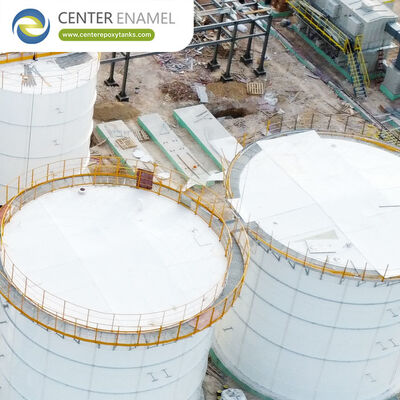
2단계 혐기성 소화 및 슬러지 전처리를 최적화하는 FBE 가수분해 탱크(2026)
| 원래 장소: | 중국 |
| 브랜드 이름: | CEC TANKS |
| 인증: | ISO 9001:2008, AWWA D103 , OSHA , BSCI |
| 모델 번호: | W201691123005 |
| 최소 주문 수량: | 1세트 |
| 가격: | $5000~$20000 one set |
| 포장 세부 사항: | 각각의 2 개의 강판 사이의 PE 폴리 포암; 나무 팔레트와 나무 상자 |
| 배달 시간: | 입금 수령 후 0-60 일 |
| 지불 조건: | 신용장, 전신환 |
| 공급 능력: | 달 당 60 세트 |
|
상세 정보 |
|||
| 원래 장소 | 중국 | 브랜드 이름 | CEC TANKS |
|---|---|---|---|
| 인증 | ISO 9001:2008, AWWA D103 , OSHA , BSCI | 모델 번호 | W201691123005 |
| 강판 두께: | 3mm ~ 12mm, 탱크 구조에 따라 다름 | 부식 무결성: | 훌륭한 |
| 내화학성: | 훌륭한 | 용량: | 20 m3 ~ 18,000 m3 |
| 서비스 수명: | ≥30 년 | 침투성: | 가스 / 액체 불 침투성 |
| 강조하다: | 혐기성 소화용 FBE 가수분해 탱크,융합 결합 에폭시 슬러지 전처리 탱크,보증이 포함된 2단계 소화 FBE 탱크 |
||
제품 설명
FBE 가수분해 탱크: 2단계 혐기성 소화 및 슬러지 전처리 최적화(2026)
현대 환경 엔지니어링 및 재생 가능한 폐기물 에너지 산업에서 휘발성 폐기물 흐름을 관리하는 동시에 바이오가스 생산량을 극대화하려면 고급 프로세스 구성이 필요합니다. 자연 혐기성 소화(AD)는 4단계 생화학적 순서입니다.가수분해, 산생성, 아세트산생성, 메탄생성. 복잡한 유기 폴리머를 가용성 모노머로 분해하는 초기 가수분해 단계는 가장 느리기 때문에 전체 시스템의 주요 속도 제한 병목 현상으로 작용합니다.
이러한 제약을 극복하기 위해 현대 시설 설계는 프로세스를 다음과 같이 분리합니다.2단계 혐기성 소화. 2026년 현재,FBE(Fusion Bonded Epoxy) 볼트 체결식 강철 탱크전용을 위한 확실한 글로벌 인프라 표준이 되었습니다.가수분해 탱크. 전문화된 공장 융합 폴리머 격납 용기 내에서 초기 산성화 및 액화 단계를 분리함으로써 운영자는 강렬한 생화학적 공격으로부터 구조 자산을 보호하는 동시에 메탄 생산 속도를 크게 높일 수 있습니다.
1. FBE 가수분해 탱크란 무엇입니까?
FBE 가수분해 탱크는 도시 하수 슬러지, 음식물 쓰레기 또는 섬유질 농업 바이오매스와 같은 유기 폐기물을 주요 소화 전에 전처리하는 데 사용되는 특수 1차 반응기입니다. 구조용 쉘은 공장에서 고급 열경화성 에폭시 수지로 코팅된 고장력 탄소강 패널로 구성됩니다.
핀홀, 기포, 균일하지 않은 두께가 발생하기 쉬운 현장 적용 액상 라이너와는 달리,융합 보세 에폭시프로세스는 엄격한 공장 품질 관리하에 실행됩니다. 탄소강판은 그릿 블라스트 처리되어 거의 흰색에 가깝게 마감됩니다(Sa 2.5 / SSPC-SP10), 사이의 온도로 예열180°C 및 230°C, 건조 폴리머 분말을 정전기적으로 분무합니다. 분말은 자동화된 경화 오븐 내에서 녹고 흐르며 화학적으로 교차 결합되어 강철 기판에 영구적으로 접착된 분리할 수 없는 보호 장벽을 만듭니다. 이는 혹독한 화학적 환경과 지속적인 기계적 혼합을 견딜 수 있도록 설계된 고밀도의 유리처럼 매끄러운 내부 라이닝을 만듭니다.
2. 기술적 성과: 전처리 화학 탐색
메탄 생성에서 가수분해 단계를 분리하면 엔지니어는 특정 박테리아 개체군에 대한 환경을 최적화할 수 있습니다. 그러나 격납 용기는 FBE 기술이 다음을 처리할 수 있는 고유한 장비를 갖춘 공격적인 화학적 및 물리적 스트레스 요인에도 노출됩니다.
휘발성 지방산(VFA) 및 낮은 pH 프로필에 대한 내성
가수분해 및 후속 산생성 과정에서 산 생성 박테리아는 당, 아미노산 및 장쇄 지방산을 휘발성 지방산(아세트산, 프로피온산, 부티르산과 같은 VFA)으로 분해합니다. 이 생화학적 활동은 내부 액체 수준을 공격적인 수준으로 떨어뜨립니다.pH 범위 4.5~6.0. 이 산성 프로필은 콘크리트 탄산화를 가속화하여 급격한 구조적 파열과 구조적 누출을 초래합니다. FBE 라이닝의 가교 폴리머 매트릭스는 화학적으로 불활성이므로 광범위한 화학적 스펙트럼에 걸쳐 안정적인 보호 기능을 제공합니다(pH 3.0~11.0).
생체 황화수소($text{H}_2text{S}$) 부식에 대한 저항성
황이 풍부한 유기 물질을 전처리하고 가열하면 상당한 양의 황화수소($text{H}_2text{S}$) 가스가 방출됩니다. 탱크의 밀폐된 상부 공간에서 이 가스는 축축한 표면에 응축되어 부식성이 강한 황산($text{H}_2text{SO}_4$)을 형성합니다. 프리미엄 FBE 제제는 탁월한 헤드스페이스 보호 기능을 제공하여 라이닝이 없거나 현장 도장된 강철 탱크에서 흔히 발생하는 급속한 얇아짐 및 구조적 결함을 방지합니다.
집중적인 혼합 및 열 관리 하에서의 동적 성능
효소 세포벽 파열을 가속화하기 위해 가수분해 공정에는 높은 토크 믹서 또는 특수 열 전처리 루프(예: 높은 온도에서 작동하는 열 가수분해)를 통한 지속적인 기계적 교반이 필요합니다. 이러한 공정에서는 강렬한 동적 진동, 국부적인 전단력 및 열팽창 주기가 발생합니다. 깨지기 쉬운 유리 라이닝(유리 융합 강철)은 강한 물리적 충격으로 인해 깨지거나 깨지거나 부서질 수 있지만 FBE는 강철 패널을 따라 동적으로 구부러지는 유연한 열경화성 폴리머로 뛰어난 칩 및 산산조각 저항성을 제공합니다.
100% 핀홀 없는 공장 품질 보증
가수분해된 유기 슬러리는 전도성이 높은 전해질 역할을 하기 때문에 미세한 코팅 결함이라도 빠르게 국부적으로 구멍이 생길 수 있습니다. 모든 개별 FBE 패널은 고전압 전자 장치를 거칩니다.휴일 테스트($geq 1100text{V}$)평면 포장 및 배송 전에 미세한 핀홀이나 불연속성을 제거하기 위해 공장에서 작업합니다.
3. 비교 매트릭스: 전처리의 FBE, 콘크리트, 유리 융합 강철(GFS)
4. 바이오가스 플랜트 구성의 전략적 통합
FBE 탱크 내에서 가수분해 단계를 분리하면 여러 다운스트림 혐기성 소화 워크플로우가 최적화됩니다.
-
연속 교반 탱크 반응기(CSTR):도시 유기 폐기물이나 농업 잔여물과 같은 질긴 섬유질 공급원료를 액화 및 부분 호기성 처리함으로써페니세툼 푸르퓨리움(네이피어 풀) - 가수분해 탱크는 복잡한 셀룰로오스 구조를 소화 가능한 당으로 전환합니다. 이는 주 CSTR 소화조 내부에 떠 있는 지각층이 형성되는 것을 방지합니다.
-
상향류 혐기성 슬러지 블랭킷(UASB) 및 내부 순환(IC) 시스템:고속 혐기성 시스템에는 슬러지 베드 오염을 방지하기 위해 가용성이 높고 균질화된 유입수가 필요합니다. FBE 가수분해 탱크는 1차 산성화 단계 역할을 하여 복잡한 미립자 유기물이 고속 바이오매스 블랭킷에 들어가기 전에 휘발성 액체로 완전히 분해되도록 합니다.
-
머무름 시간 최적화:FBE 가수분해 전처리 단계를 구현하면 필요한 시간이 단축됩니다.유압 유지 시간(HRT)표준 40일 이상부터 1차 소화조에서20~25일, 필요한 주요 소화조 용량을 최대로 줄입니다.40%.
5. 엔지니어링 표준 및 글로벌 규정 준수
엄격한 산업 녹색 에너지 의무 사항을 충족하고 국제 입찰 화면을 통과하기 위해 프리미엄 FBE 가수분해 탱크(예: 다음과 같은 글로벌 리더가 제조함)센터 에나멜 (석가장 정중 기술)—다음 엔지니어링 코드를 준수합니다.
-
AWWA D103-19:정수압, 지진 하중 및 동적 비대칭 하중 프로파일에 대한 구조 계산을 검증하는 공장 코팅 볼트 체결 탄소강 저장 시스템에 대한 글로벌 최고의 표준입니다.
-
ISO 28765:2016:고성능 코팅 품질, 두께 허용 오차, 물, 폐수 및 바이오 에너지 봉쇄에 대한 휴일 테스트 기준을 관리하는 국제 표준입니다.
-
ASCE 7-22 / 유로코드 3:모듈형 원자로가 높은 지진 탄력성과 극한의 풍하중을 계산할 수 있도록 하는 구조 설계 매개변수250km/h- 노출된 산업 시설 레이아웃에 중요합니다.
결론: 폐기물 에너지화 ROI 가속화
환경 엔지니어, 폐수처리장 책임자, 재생 에너지 EPC 계약업체를 위한투자수익률(ROI),FBE 볼트 체결식 강철 가수분해 탱크은 매우 안전하고 확장 가능하며 경제적인 2026년 인프라 자산을 나타냅니다. 동기화된 유압 재킹 시스템과 함께 모듈식, 하향식 조립 방법을 활용함으로써 이러한 구조물은 높은 고도의 비계나 집중적인 현장 용접 없이 완전히 지상에서 건설되어 설치 일정을 최대50%. FBE 기술은 콘크리트의 산부식 위험을 제거하고 유리 라이닝에 대한 유연하고 파손 방지 대안을 제공함으로써 운영 수명을 초과하는 안전하고 지속적이며 고효율의 유기 폐기물 전처리를 보장합니다.30년.
현재 2단계 혐기성 소화 플랜트를 설계하고 있거나, 슬러지 관리 라인을 업그레이드하거나, 음식물 쓰레기 또는 농업 잔여물로부터 바이오가스 생산을 최적화하고 있습니까? 탱크 크기, 내화학성 매트릭스, 공정 볼륨에 대한 엔지니어링 도면을 포함한 상세한 기술 제안을 원하십니까?