-
유리 가 강철 탱크 에 녹여 (596)
-
스테인레스강 탱크 (434)
-
퓨젼은 에폭시 탱크를 계약했습니다 (592)
-
진료 철강 탱크 (321)
-
알루미늄 돔 지붕 (1316)
-
폐수 저장 탱크 (231)
-
용접된 철강 탱크 (457)
-
압력 용기 (295)
-
무산소 다이제스터 (201)
-
산업적 저수 탱크 (349)
-
유리로 덮인 강철 탱크 (180)
-
볼트로 체결된 강제 탱크 (390)
-
슬러지 저장 탱크 (115)
-
바이오가스 저장 탱크 (173)
-
용매 저장 탱크 (133)
-
농업용 물 저장 탱크 (179)
-
화재 물 탱크 (166)
-
곡물 저장실 (146)
-
바이오 가스 프로젝트 (425)
-
폐수 처리 프로젝트 (788)
-
이중막 지붕 (223)

|
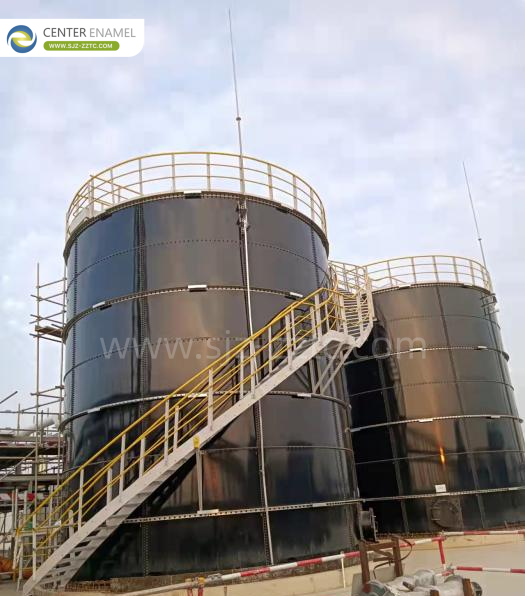
돼지 폐기물 변환: 라오스의 고급 바이오가스 솔루션 및 GFS 탱크
| 원래 장소: | 중국 |
| 브랜드 이름: | CEC TANKS |
| 인증: | ISO 9001:2008, AWWA D103 , OSHA , BSCI |
| 모델 번호: | 여 |
| 최소 주문 수량: | 1세트 |
| 가격: | $5000~$20000 one set |
| 포장 세부 사항: | 각 두 개의 강판 사이에 PE 폴리폼; 나무 팔레트와 나무 |
| 배달 시간: | 보증금 수령 후 10-30일 |
| 지불 조건: | 신용장, 전신환 |
| 공급 능력: | 달 당 60 세트 |
|
상세 정보 |
|||
| 원래 장소 | 중국 | 브랜드 이름 | CEC TANKS |
|---|---|---|---|
| 인증 | ISO 9001:2008, AWWA D103 , OSHA , BSCI | 모델 번호 | 여 |
| 탱크 본체 색상: | 진한 녹색 / 사용자 정의 가능 | 부식 무결성: | 훌륭한 |
| 강판 두께: | 3mm ~ 12mm, 탱크 구조에 따라 다름 | 내화학성: | 훌륭한 |
| 패널의 크기: | 2.4M * 1.2M | 청소가 용이함: | 매끄러움, 광택, 불활성, 접착 방지 |
| 강조하다: | 돼지 폐기물용 바이오가스 솔루션,폐기물 처리용 GFS 탱크,라오스에서 바이오가스 폐수 처리 |
||
제품 설명
돼지 폐기물 변환:고급의바이오가스 솔루션그리고GFS 탱크 라오스
동남아시아의 농업 환경이 발전함에 따라 라오스는 가축 생산에 있어 상당한 변화를 목격하고 있습니다. 전통적인 방법에서 보다 산업적인 운영으로 전환하면서 유기 폐기물 관리는 지속 가능한 개발의 초점이 되었습니다. 고급을 통합하여바이오가스 솔루션,USR 프로세스, 그리고유리 융합 강철(GFS) 탱크, 라오스의 농장 운영자는 환경 문제를 재생 가능 에너지 기회로 효과적으로 전환할 수 있습니다.
라오스 양돈 부문의 풍경
라오스의 양돈 산업은 현재 현대화의 시기를 겪고 있습니다. 역사적으로 소규모 뒷마당 농업이 지배적이었던 이 부문은 증가하는 국내 단백질 수요를 충족하고 수입 의존도를 줄이기 위해 점점 더 대규모의 상업화 생산으로 이동하고 있습니다. 현대식 사육장은 주요 지역에서 점점 더 보편화되어 지역 식량 안보와 국가 경제를 지원하고 있습니다. 그러나 이러한 산업화로 인해 전통적인 처리 방법의 처리 용량을 초과하는 엄청난 양의 "고강도" 유기 폐기물이 생성됩니다.
돼지 분뇨 직접 배출의 환경적 위험
라오스의 열대 및 몬순 기후에서 돼지 배설물의 부적절한 처리는 심각한 생태학적 위험을 초래합니다.
물 오염: 직접 배출하면 질산염, 인, 병원균이 메콩강 유역과 같은 중요한 수역으로 침출되어 식수 및 관개용수에 사용되는 물이 손상됩니다.
대기오염: 처리되지 않은 분뇨 분해는 상당한 양의 메탄($CH_4$)과 암모니아를 방출하며, 이는 지역 대기 질에 영향을 미치고 전 세계 온실가스 배출량에 기여합니다.
토양 황폐화: 분뇨를 과도하게 또는 그대로 사용하면 영양분 과잉을 유발하고 토양에 중금속이 축적되어 결국 작물 생산성을 저하시킬 수 있습니다.
생물보안 위험: 잘못 관리된 폐기물은 병원균의 저장소 역할을 하여 가축의 건강을 위협하고 농촌 지역사회의 인수공통감염병 위험을 증가시킵니다.
라오스의 폐수처리 정책
라오스 정부는 환경 관리의 필요성을 인식하고 산업 및 농업 폐기물을 관리하기 위한 국가 표준을 시행했습니다. 천연자원환경부를 통해 대규모 농업 시설은 국가의 깨끗한 천연자원을 보호하기 위해 효과적인 폐기물 처리 시스템을 구현하도록 규정하고 있습니다. 또한, 녹색 개발을 위한 국가 전략 계획은 다음 사항의 채택을 장려합니다.바이오가스 기술청정 에너지를 통해 기후 변화를 완화하고 농촌 전력화를 촉진합니다.
돼지 분뇨에서 바이오가스 공정으로
돼지 분뇨를 바이오가스로 전환하는 것은 폐기물에서 가치를 추출하는 정교한 생물학적 과정입니다.
수집: 돼지 슬러리와 세척수를 중앙 집수조에 모아 가공 준비를 합니다.
혐기성 소화: 폐기물은 무산소 시설로 공급됩니다.혐기성 반응기.
생물학적 분해: 특수 박테리아는 가수분해, 산생성, 아세트산생성, 메탄생성의 4가지 중요한 단계를 통해 유기물을 분해합니다.
메탄 포집: 생성된 바이오가스(주로 메탄)는 에너지 사용을 위해 포집됩니다.
자원 회수: 바이오가스는 열이나 전기로 활용되며, 영양분이 풍부한 소화액은 고품질 유기비료로 활용됩니다.
특수 무산소 공정: CSTR, UASB, USR 및 IC
Center Enamel은 축산 폐기물의 특정 특성에 맞는 다양한 반응기 기술을 제공합니다.
USR(상향류 고체 반응기): 두꺼운 돼지 분뇨와 같이 부유 고형물(SS) 함량이 높은 폐기물용으로 특별히 설계되었습니다. 이는 복잡한 섬유의 분해를 극대화하고 높은 유기물 로딩률을 허용합니다.
CSTR(완전 교반 탱크 반응기): 기계적 교반을 활용하여 균일한 현탁액을 유지하여 표면의 딱딱함을 방지하고 일관된 소화를 보장합니다.
UASB (상류 혐기성 슬러지 블랭킷): 고농도 액체 방류수에 최적화되어 있으며 입상 슬러지 블랭킷을 사용하여 신속한 처리 및 고효율 COD 제거가 가능합니다.
IC(내부 순환) 반응기: 내부 순환을 위한 가스 리프트를 사용한 고속 시스템으로, 높은 처리 속도가 요구되는 대규모 산업 응용 분야에 이상적입니다.
바이오가스 프로젝트에서 GFS 탱크의 적용 장점
라오스와 같은 열대 환경의 바이오가스 인프라의 경우,유리 융합 강철(GFS) 탱크업계 표준은 다음과 같습니다.
우수한 내식성: 유리-강철 결합은 소화 중에 생성되는 $H_2S$ 및 유기산으로부터 보호합니다.
신속한 모듈식 구성: 현장에서 볼트로 고정되는 이 탱크는 기존 콘크리트에 비해 원격 위치에 훨씬 더 빠르게 배치할 수 있습니다.
열대 탄력성: GFS 탱크는 극한의 UV 수준, 높은 습도 및 강렬한 몬순 강우를 성능 저하 없이 견뎌냅니다.
긴 서비스 수명: 부드럽고 불활성인 표면은 스케일 축적을 방지하여 30년 이상의 유지관리 수명을 보장합니다.
Center Enamel과 파트너 관계를 맺어야 하는 이유는 무엇입니까?
선택센터 에나멜농장 소유주에게 환경 공학 분야의 경쟁 우위를 제공합니다.
턴키 EPC 솔루션: 생물학적 공정 설계, 탱크 제조, 설치 등 전체 프로젝트 수명주기를 관리합니다.
글로벌 전문성: 100개 이상의 국가에 진출해 있는 당사는 특정 지역의 기후 및 운영 요구 사항을 충족하도록 기술을 조정합니다.
국제 표준 준수: 당사의 스토리지 솔루션은 AWWA D103, OSHA 및 ISO 표준을 충족하거나 초과하여 안전성과 신뢰성을 보장합니다.
최적화된 성능: 당사의 반응기는 가능한 최고의 바이오가스 생산량과 우수한 배출수 품질을 달성하도록 설계되었습니다.
글로벌 성공 사례: 폐기물을 가치로 전환
사례1: 프랑스 바이오가스 프로젝트
프로세스 단계: CSTR
탱크 크기: Φ18.33 × 8.4m(H) — 1개
총 용량: 2,215m³ — 1개 유닛
준공년도 : 2021
사례2: 인도네시아 바이오가스 프로젝트
탱크 적용: 팜유 폐수 처리장
탱크 모델: Ø19.86 × 8.4m
탱크 수: GFS 탱크 3개
설치 : 인원 7명, 40일
설치 날짜: 2009년 11월
라오스의 양돈 산업 성장을 위해USR 프로세스그리고GFS 탱크지속가능한 성장의 길을 제시합니다. Center Enamel의 전문 지식은 농장이 환경 규제를 충족하는 동시에 에너지 비용을 낮추고 천연 자원을 보호할 수 있도록 지원합니다.