FBE Regulation Tanks: The 2026 Engineering Standard for Hydraulic Stability

제품 상세정보
원래 장소: 중국
브랜드 이름: CEC TANKS
인증: ISO 9001:2008, AWWA D103 , OSHA , BSCI
모델 번호: W201691123005
지불과 운송 용어
최소 주문 수량: 1세트
가격: $5000~$20000 one set
포장 세부 사항: 각각의 2 개의 강판 사이의 PE 폴리 포암; 나무 팔레트와 나무 상자
배달 시간: 입금 수령 후 0-60 일
지불 조건: 신용장, 전신환
공급 능력: 달 당 60 세트

상세 정보

원래 장소 중국 브랜드 이름 CEC TANKS
인증 ISO 9001:2008, AWWA D103 , OSHA , BSCI 모델 번호 W201691123005
강판 두께: 3mm ~ 12mm, 탱크 구조에 따라 다름 부식 무결성: 훌륭한
내화학성: 훌륭한 용량: 20 m3 ~ 18,000 m3
서비스 수명: ≥30 년 침투성: 가스 / 액체 불 침투성
강조하다:

FBE regulation tanks 2026 standard

,

fusion bonded epoxy hydraulic tanks

,

FBE tanks hydraulic stability warranty

제품 설명

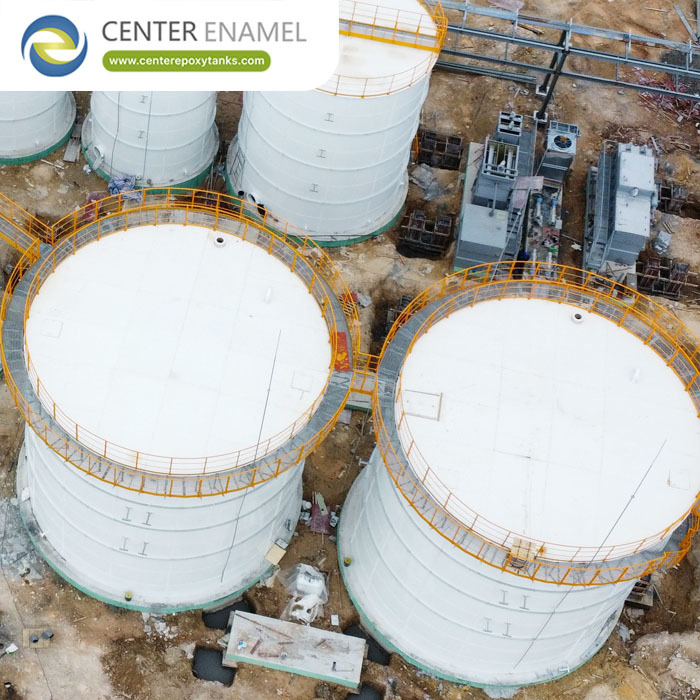
FBE Regulation Tanks: The 2026 Engineering Standard for Hydraulic Stability

In the sophisticated landscape of industrial wastewater treatment and municipal water management, the Regulation Tank (also known as a flow regulation or balancing tank) serves as the "lungs" of the system. As of 2026, Fusion Bonded Epoxy (FBE) bolted steel tanks have become the definitive choice for regulation infrastructure, offering a strategic combination of chemical resilience, modular scalability, and rapid deployment.


1. What is an FBE Regulation Tank?

An FBE regulation tank is a modular storage vessel designed to regulate water flow and stabilize hydraulic loads before they enter downstream treatment processes. The "FBE" refers to the Fusion Bonded Epoxy coating—a high-performance thermoset polymer powder that is electrostatically applied and thermally fused to steel panels at temperatures exceeding 200°C.

This process creates a molecularly cross-linked barrier that is permanently bonded to the steel substrate. For regulation applications, this results in a high-density, non-porous lining that can withstand the unpredictable chemical "slug loads" and constant water level fluctuations inherent in flow regulation.


2. The Critical Function of Flow Regulation

A regulation tank is engineered to protect sensitive downstream biological reactors (such as CSTR, UASB, or MBR systems) from hydraulic shocks. FBE technology enhances this function through:

  • Hydraulic Balancing: Dampening the impact of peak flow periods to ensure a constant, controlled discharge rate.

  • Concentration Homogenization: Allowing for the mixing of varying influent concentrations to provide a uniform organic load to the treatment plant.

  • pH & Temperature Buffering: Providing a volume for natural neutralization and thermal stabilization.


3. Technical Performance: Why 2026 Projects Standardize on FBE

Modern facility managers prioritize Total Cost of Ownership (TCO) and asset longevity. FBE technology offers distinct advantages over traditional concrete or painted steel.

Feature FBE Bolted Steel Tank Reinforced Concrete Welded Steel (Painted)
Corrosion Defense Superior (pH 3–11) Low (Prone to Acid Attack) Moderate (Needs Recoating)
Installation Speed High (Modular) Low (Months of Curing) Moderate
Leakage Risk Minimal (Engineered Seals) High (Structural Cracks) Minimal
Modular Scalability Yes (Expandable) No No
Maintenance Minimal High High


4. Key Advantages of FBE in Regulation Environments

Zero-Discontinuity Quality Assurance

Regulation tanks are subject to frequent "draw-down" cycles, which expose the interior walls to atmospheric oxygen and moisture. FBE panels undergo high-voltage Holiday Testing (≥1100V) at the factory. This electronic scan ensures the coating is 100% pinhole-free, preventing the localized corrosion that often plagues field-painted tanks.

Superior "Edge Wrap" Protection

Unlike liquid coatings that pull away from sharp edges during drying, the FBE thermal fusion process ensures uniform coating thickness even on panel edges and bolt holes. This is critical for regulation tanks where the "wet-dry" interface is constantly moving.

Rapid Modular Deployment

Utilizing a top-down assembly method with synchronized hydraulic jacks, FBE regulation tanks can be commissioned in 30% to 50% less time than traditional alternatives, significantly reducing on-site labor costs and plant downtime.


5. Engineering Standards and Compliance

To ensure long-term structural integrity, FBE regulation tanks from industry leaders like Center Enamel (Shijiazhuang Zhengzhong Technology) adhere to the following codes:

  1. AWWA D103-19: The global benchmark for factory-coated bolted carbon steel tanks.

  2. ISO 28765:2016: Specifically governing high-performance coatings for industrial water treatment.

  3. ASCE 7-22: Structural design requirements for seismic resilience and wind loads up to 250 km/h.

  4. NSF/ANSI 61: Essential if the regulation tank is used in potable water distribution systems.


6. Strategic Applications in 2026

FBE regulation tanks are the backbone of hydraulic management across multiple sectors:

  • Municipal Sewage Plants: Regulating influent flow during storm events to prevent plant bypass.

  • Industrial Effluent Balancing: Stabilizing waste streams from food & beverage, textile, and chemical manufacturing.

  • Leachate Management: Managing the volatile and corrosive runoff from municipal landfills.

  • Agriculture & Biogas: Balancing manure and organic waste flow before anaerobic digestion.


For plant engineers and developers looking to future-proof their water management systems, the FBE regulation tank is the definitive choice for 2026. By combining the structural reliability of bolted steel with the chemical immunity of fusion-bonded epoxy, these tanks ensure that your treatment process remains stable, compliant, and cost-efficient for a design life exceeding 30 years.


Are you evaluating a regulation solution for a specific industrial workflow, and would you like a technical proposal for your required volume and flow parameters?


이 제품에 대한 더 많은 세부사항을 알고 싶습니다
당신의 조회 내역에 들어가세요.
Shijiazhuang Zhengzhong Technology Co., Ltd
sales@cectank.com
86-20-34061629
푸리 상가센터 301번 방, 신가랑 서쪽 11번 도로, 하이주 지역, 광저우, 광둥 성, 중국
메시지를 남기세요
*이메일
*메세지
전송
중국 좋은 품질 유리 가 강철 탱크 에 녹여 공급자. 저작권 2016-2026 cectanks.com . 무단 복제 금지.
메시지 보내기